At $37 per dose, the Pfizer vaccine is much more expensive compared to $3 per dose for the Covishield.
The vaccine would be first made available to the vulnerable population and eventually, it would be available in the private market for all.
Bharat Biotech is in the middle of conducting a phase 3 trial with 22,000 subjects.

A longer shelf life is critical, given many makers have started manufacturing vaccines and stockpiling them, so as to make them available in the market immediately after approval, reports Sohini Das.
India's first mRNA platform-based vaccine will remain stable at 2-8 degrees Celsius while Pfizer-BioNTech's vaccine needs minus 70 degrees Celsius and Moderna vaccine can remain stable for six months at minus 20 degrees Celsius, reports Sohini Das.
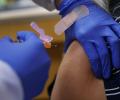
'Our client is suffering due to the ill-effects of the vaccine. He has to be compensated for his suffering. Further, a detailed investigation has to be done on the Covishield vaccine and its side-effects,' says the volunteer's advocate.
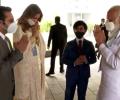
The PM's visit would signal a strong intent towards making sure India becomes a beneficiary as vaccines become a massively traded commodity in the coming years.
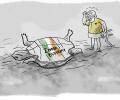
Business Standard tracks pollution levels, goods ferried by the Indian Railways and consumer visits to various categories of places, in addition to power generation and traffic numbers to understand the fast-changing situation on the ground.

By January-February, it's expected to have at least 100 million doses for the Indian government, reports Sohini Das.

From rising prescriptions to the pharma sales force back on the field with full vigour and companies finally finding their feet with the digital marketing strategies - Indian drug makers have shown that medicine sales is certainly a sunshine sector.
The company has developed detailed logistical plans and tools to support effective vaccine transport, storage, and temperature monitoring. Sohini Das and Ruchika Chitravanshi report.
Each state has its own weak areas that need attention. Some states have already identified the gaps and sought the Centre's help. Vinay Umarji, Ishita Ayan Dutt, Samreen Ahmad and Sohini Das report.

The government plans to immunise 30 million people in the first phase, starting February, and by July, the target is to vaccinate 250 million people, reports Sohini Das.
'We have filed our draft red herring prospectus for a floating IPO for a net offer size of 86.6 million shares.'

The company has a pipeline of viral vaccines including Zika, dengue, varicella, as well as a potential Covid-19 inoculation.
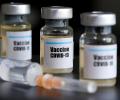
'SII has started stockpiling the vaccine and now has roughly 40 million doses ready. It is using some of the capacities it had for under development products for the COVID-19 vaccine and by January we will have a capacity to make 100 million doses per month and a stockpile of 200 million doses.'
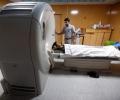
Siemens Healthineers, one of the largest manufacturers of made-in-India CT scanners, has sold 80-100 such machines in the last 45 days. The medical technology firm typically sells 250 machines in a year.

The first vaccine candidate will be an intra-muscular one, followed by intra-dermal and nasal ones, depending on test results.
Security breach came days after the firm got approval to conduct trials for Covid-19 vaccine candidate Sputnik V.

Thomas Isaac has been in and out of the national news in his role as Kerala's finance minister since 2018 for various path-breaking tax initiatives. But it is 2020 that he has become more prominent, principally in the GST council.
